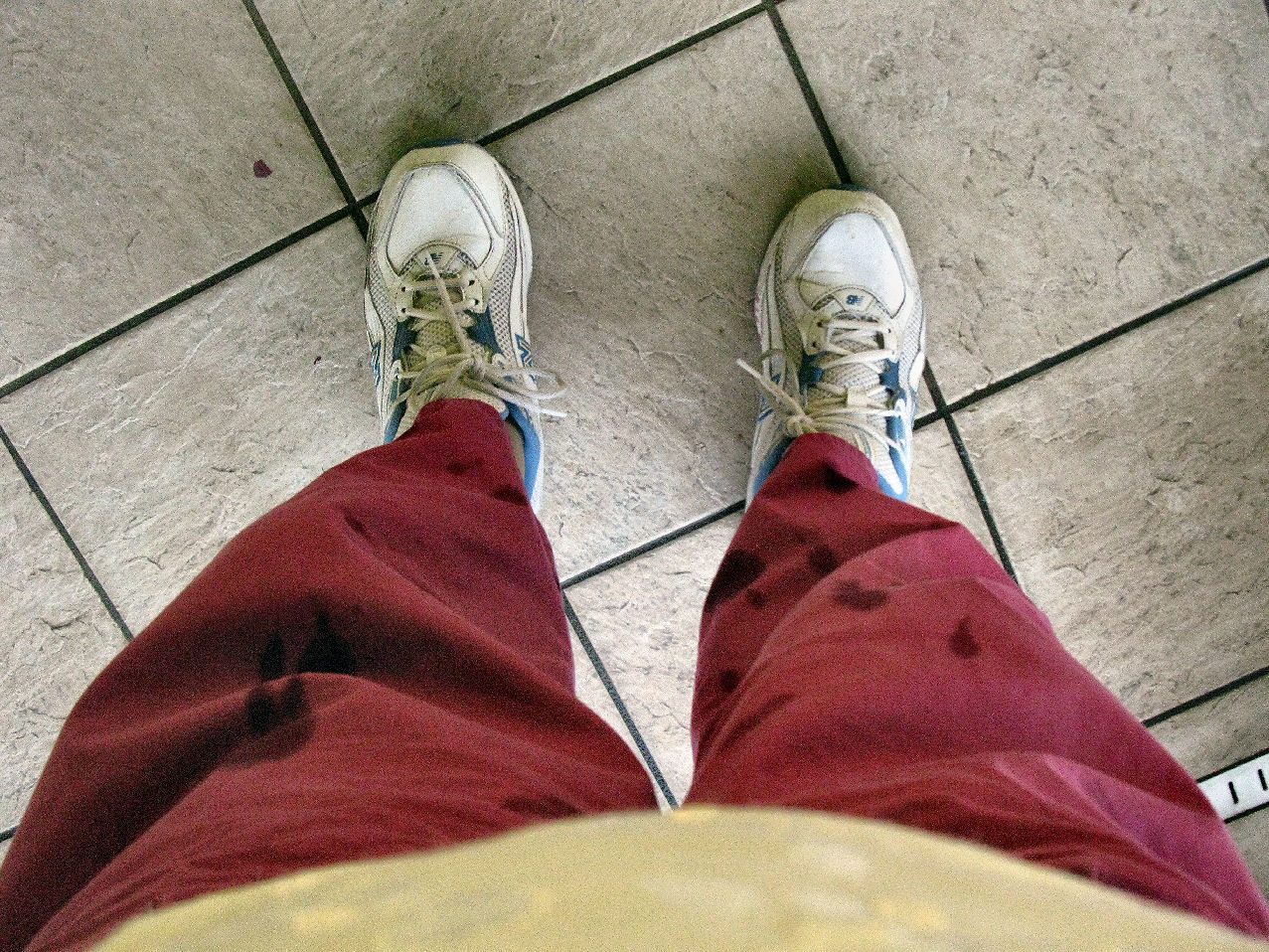
So, the USAREUR G2 reunion is over, the organizer’s wife has loaded the banner into their car, and many of us had a relatively communal breakfast before we all scatter again to the corners of the country. My husband and I said our goodbyes to the organizer’s wife (“behind every great man, there’s a woman …”), the organizer (who kindly autographed his Secrets of the Cold War book for me), and friends of friends (who’ve become people with whom we want to stay in touch).

We traded email addresses with a married couple, the husband having had overlapping co-workers with my husband, and our new friend hinted at a book he, too, was writing.  I gave him an arch look, as you do when something wonderful this way comes, and said, “Mine takes place in Fulda.  Where is yours set?”  My question was prompted in part from an overheard comment from another of our breakfast companions about his proposed novel, as well as hearing a talk at last night’s banquet from the author of the Yankee Doodle Spies series.  People close to “spy stuff” during the Cold War are feeling the need to write.

My friend’s story is set in Wiesbaden, Germany, during the Berlin crisis in the early ’60s, an event whose seriousness was compounded by the Cuban missile crisis.  My own experience of that time was that my mom and my siblings and I were in the U.S., still at the Air Force base my dad just left, while my dad was at another base in Bermuda trying to find us a house. I remember feeling as if the Russians had physically erected an oceanic wall between me and my dad, just as they were really done to the  people of Berlin. To a child, this was overwhelmingly scary — “scary” being the best I could do to express my feelings as I had yet to learn just how horrific adult threats can be.

My stories, also in Germany, begin about a decade after my friend’s story. The American military forces were dealing not only with the Soviet Union across the inner border between the two Germanies, but also with Soviet-supported terrorism within West Germany, a terrorism that was spreading across Europe and the Middle East like a plague. Everyday people knew that the terrorists had elements of the American military in the crosshairs of its sights. Clearly, those of us who were there have stories to tell.

Our new friend and I talked about a longing to preserve a period about which little is written (neither one of us have had much luck with library research), but yet which is a time that consumed the better part of our adult lives:  the “spy vs. spy” era in Europe. The difference being the actual “spy vs. spy” and the fictional depiction of it comes mostly from the gap between the workaday perspective of filling in the puzzle pieces of actual espionage, and James Bond style glitz. The trick will be infusing the memories with enough necessary fictional drama to keep readers turning the pages.

In any case, I was tickled enough by finding yet another writer in our group that I’ve put off packing my suitcase to write this blog post (checkout is when?  thirty minutes?!?). For me, enthusiasm shared is enthusiasm doubled — and if I want to live long enough to enthusiastically write anything else, I’d best get a move on as my husband is already taking suitcases out to the car.
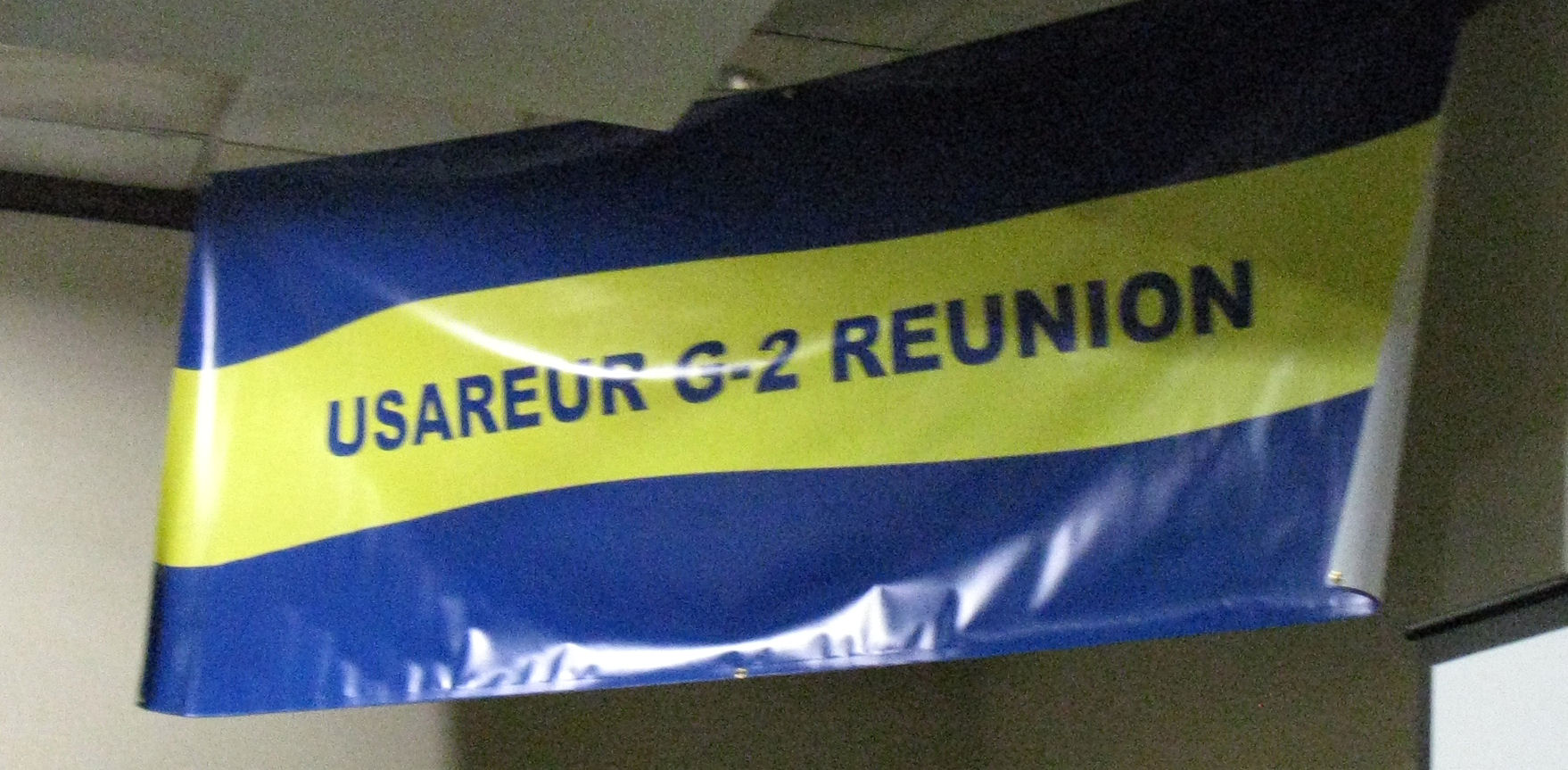
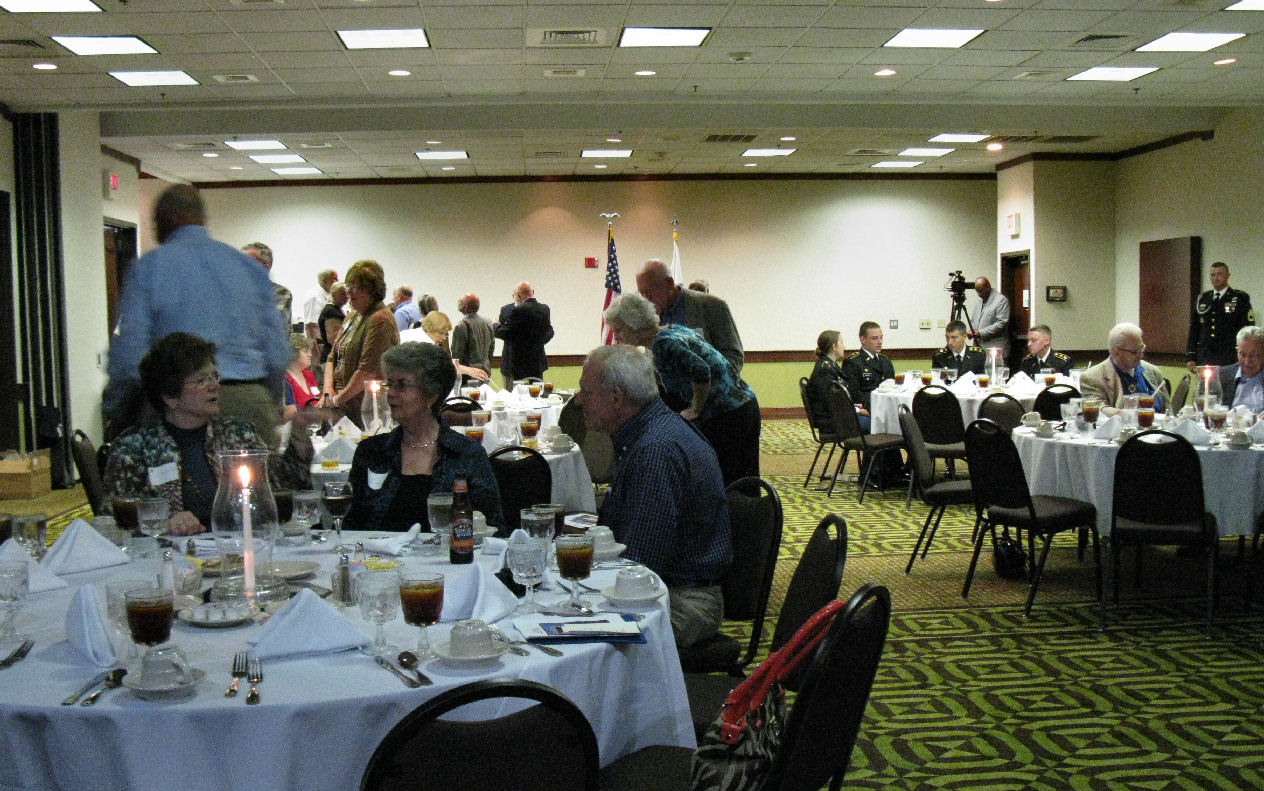
My husband and I met when we were both stationed at Aberdeen Proving Ground, Maryland.  I did not make the military a career, but he did.  This evening, we met with old friends, my husband’s former co-workers, and friends-of-friends at the USAREUR G-2 reunion banquet.

The talk ranged from kids to grandkids, to who we knew in common, to where we’ve traveled and where we ought to travel, to our European adventures, and inevitably to terrorists.

The terrorist angle was underlined by a twenty-minute talk given by Major General (retired) James Dozier who was kidnapped in 1981 by the Italian terrorist group, the Red Brigades, and was held captive for six weeks in a tent erected inside an apartment in Padua, Italy.

The majority of American personnel apparently weren’t terrorist targets as it was high-profile people whom the terrorists seemed to prefer.  Still, while living in Munich, it was unsettling to know that just across the Alps, terrorists had kidnapped an American soldier.  At the time we couldn’t know that General Dozier would be rescued as both the Baader-Meinhof group in Germany and the Red Brigades in Italy had murdered kidnapped victims (Google Jurgen Ponto and Aldo Moro).  That General Dozier is able to give talks such as this was not inevitable — the guard on duty at the time had been given a gun with which to shoot the general in the event of a rescue attempt, but did not use it because he said he couldn’t shoot a sleeping man.  Stockholm Syndrome on the part of kidnappers isn’t always a bad thing.

Finally, thanks go to the author of Secrets of the Cold War, for organizing the reunion.

For Cold War veterans who were assigned to Germany, take a trip down memory lane with Mr. McCaslin’s book.  Thanks for the autograph, Lee.

On an email list, the question of the week was what titles the members had read this month.  I decided to answer it, just for fun, out of curiosity about how many books I had read.  I didn’t think it would be many.

In searching my Audible books, my Kindle app, the Nook and my overdue library notices, I found that I could reliably say I’d read:

  1. Gunpowder Plot, Carola Dunn
  2. The Odessa File, Frederick Forsyth (audio)
  3. The Woodcutter, Reginald Hill (audio)
  4. Never Tell A Lie, Hallie Ephron
  5. Still Waters, Nigel McCreary
  6. Pictures of Perfection, Reginald Hill
  7. The Clocks, Agatha Christie (audio)
  8. At Home, Bill Bryson (audio)
  9. Roseanna, Maj Sjöwall and Per Wahlöö (begun)

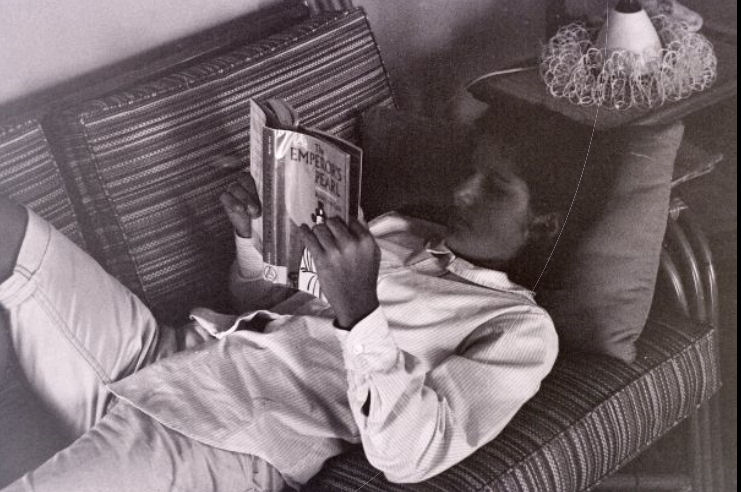
Barchester Towers, by Anthony Trollope is an ongoing project, dipped into when I remember to do so, but it’s been going on so long that I don’t think I ought to include it in the August total.  (the photo doesn’t count, either, as I was 14 when it was taken — The Emperor’s Pearl by Robert van Gulik)

The audio books are listened to during my two-mile walk each day (or as many ‘each days’ as I insist that I do — willing spirit, reluctant flesh and all that), so I’m assuming they bump up the total.  Still, I’ve managed more than I expected.

Now, if only I’d written as many words as I’ve consumed.  Mr. Trollope, who held a full-time job while he wrote, would tsk.

In the midst of a momentary reflection as to whether I wrote much when I was a kid, in addition to ruining my eyes by reading all the time, it just came to me what all this social networking is: passing notes in class.  I did a lot of that, so I guess I did write.

We’re all supposed to be “on task” and paying attention to the teacher (boss, work, kids, whatever) but what we’re doing is passing around electronic notes.  Can you imagine us voluntarily writing as much in school as we do on blogs or at Google+ and Facebook?

I don’t know if the teachers would be thrilled about what we were writing, but one or two might be pleased to see us scribbling away.

I can’t write about my fiction because, first off, it’s not yet published and that makes the stories difficult to promote.  They are accumulating, but the process is slow.  I also can’t write about my fiction as that would decrease the pressure I’m feeling to have it published.  Telling you that my heroine will be doing this, that or the other thing soothes my itch to tell her story.

I have drafts of general-interest blog posts, but they languish on the hard drive because the very act of writing them to demonstrate my superior way of thinking about the topics showed me I was right.  Once I’d shown myself the validity of my thinking, I didn’t need to tell everyone else about it.   (you’re welcome)

All the reasons I have for not writing leaves me with a problem — a blog needs entries to keep it from being Just Another WordPress Blog.  To keep things active, I’ve put together a list of Other Peoples’ Writings for your reading enjoyment.  I found these blog entries either amusing, illuminating or fun (and yes, Scalzi’s the outlier, but so worth it).

Happy reading!

In other news, I am presently enjoying Donna Leon’s latest book Beastly Things.

Decaf tea still tastes like steeped fish scales.  I’d have thought that in over twenty years of production that manufacturers would have made some improvement.

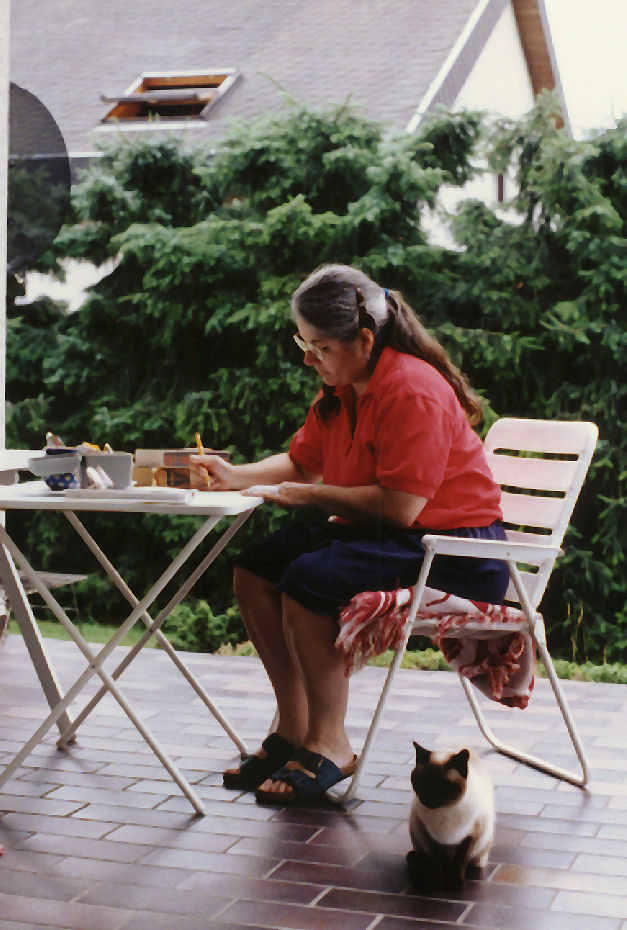
  (1994, tea on the patio with May-ree)

That’s all.  Just letting off steam after breakfast.

Heat, heat, go away.

Let the rain come back to play.

I understand the people in Arizona and Texas routinely tolerate this kind of heat in the summer, but this isn’t the Southwest.  This is the temperate part of the western Midwest — see the trees in the background?  (they still look green, but they’re already losing leaves and I’ve seen dead trees among the stands of woods along the roadways)  The beige on the lower edge of the photo is the parched grass shaded from the midday sun by a pretty tall oak.

Please consider this post an official complaint to The Management — wherever that Management resides.  The humans may be deserving of divine wrath, but our trees didn’t do anything to anyone (other than the sweet gums planted in the wrong places and are ruining sidewalks, but they didn’t plant themselves).

Management, spare the trees.  Consider the wildlife.  Have mercy on the livestock.

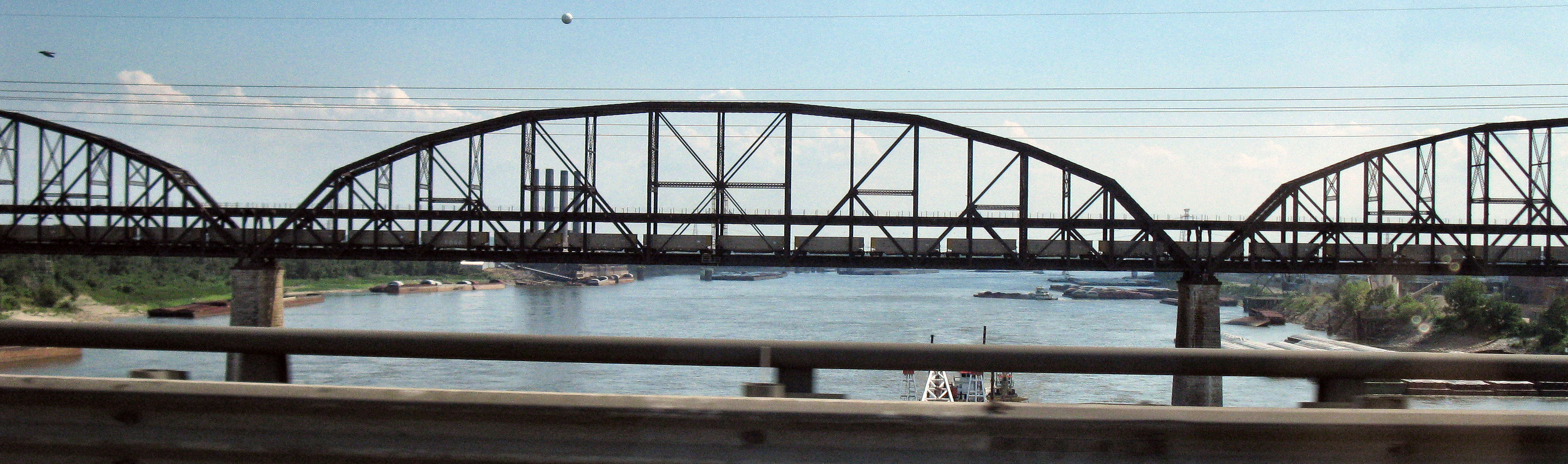
We’re off for a short adventure from one side of the state to the other.  Yesterday morning we were west of the Mississippi, by supper we were east of the Mississippi.

After sitting all day, the grandkids were full of energy — I think they leached it from Poppa and me.  To burn it off, I ‘gave in’ to the pleas to go swimming.  I’d have joined them in the pool, but when I searched for my bathing suit while packing the suitcase, I couldn’t find it.  How does someone lose a bathing suit from a drawer?

Because of the lack of a suit, I played lifeguard from the side of the pool, prepared, at any moment, to fling caution to the winds and leap into four feet of water to pluck floundering children from the water.  I’m happy to say that me getting wet was never necessary.

But that doesn’t mean that me getting wet didn’t happen.

Today we’re off to see relatives and museum.   It might not be life in the fast lane, but, so far, it’s not life in the parking lot.

It’s about as dry as Arizona, 90F at night, and what are the people doing?  Shooting off exploding skyrockets in an area with houses and trees.  It’s enough to make you question whether they should be allowed out without keepers.

My sprinkler is on, but I don’t know about anyone else’s.